-
Author
Zoe Black, Carin Wilson, Hon. Mathew Muir KC, Peter Thorp and Edith Ryan -
Date
8 Jul 2026
Essay
Carin Wilson, commissions and collaborations – 80s and 90s
Writing on works by Carin Wilson to accompanying the exhibition He maramara tupu aranga
In the late 1980s and 1990s Carin Wilson completed a number of commissions of both individual pieces and more substantial interior fitouts.
The suite of furniture for the barrister chambers of Matthew Muir KC, Miriam Dean KC and Lindsay McKay included 15 pieces designed and fabricated by Wilson in 1995. Wilson included Māori motifs in the design, including nods to raupo used for tukutuku panelling (in the reeded timber panels), kaokao (stamped on copper insets on much of the furniture), and pāua embellishments (patinaed green accents). Hon. Matthew Muir KC recently reflected on the commission:
In the mid 1990s James Peters Design commissioned Carin to design all the furniture for our new barristers’ chambers. This included reception and work desks, cabinetry, meeting tables and two of the credenzas featured in this photograph. Over 30 years later, my desk, meeting table and credenza (now located in our home) continue to bring daily pleasure with their distinctly Aotearoa New Zealand vernacular, functionality, craftsmanship and beauty. The dividend from that initial investment has been incalculable and life enhancing.
Commissions like these allowed Carin to lean more into defining his aesthetic and incorporating conceptual ideas into functional pieces.
—
In 1999 Wilson was commissioned to fitout Peter Thorp’s Barrister Chambers, Thorp writes:
In 1999, I purchased an apartment in the newly completed Metropolis in the Auckland CBD for use as chambers for my Barrister’s practice. I commissioned Carin for the fitout. Carin designed, built and installed not only a beautiful fitout but also all of the furniture save only for my desk chair.
Included was a sofa that Carin designed to open out into a comfortable bed for when the demands of practice made it easier to stay overnight. Carin also created a collapsible leather clad meeting table, substantial chairs able to be placed around the table or together to form a couch, a desk, generous sideboards, tambour faced cabinets and shelving to accommodate my many law books. Raw edged laminated wood, copper finished metal and earthy colours of leather were used throughout.
A particularly distinctive feature of the fitout was an ingenious fold-back screen to separate the kitchen from the lounge/meeting area without creating a solid barrier. The screen contained depictions of Māori rock art motifs inserted in fine mesh so as to be visible when looking through the screen to Albert Park and harbour views beyond.
The overall feel of the fitout was a contemporary reflection of tradition and Carin’s Māori heritage. Carin’s creation was original, authentic and timeless, as well as versatile and practical. It made for an exceedingly pleasant and calm environment in which to work during the 15 years I had the chambers.
—
Edith Ryan was an ongoing supporter of Wilson’s practice throughout his career. In her role at the Arts Council she supported the Crafts Council for many years, consistently promoting and pushing makers with an unwavering ambition to amplify craft practice in Aotearoa. Ryan has lent two items for the exhibition, the prototype of He Nehenehe (begun in 1992) and the table, Te Hikoi i rite ki te Tuatara (1995). She offered this ‘message for visitors to Objectspace’ earlier this year:
You are observing art created by the genius of Carin Wilson.
The Tuatara is a real beast. He nips at people as they pass and grizzles
if someone says ‘oh they used a diamond saw on the top – see?’.
The chair is a prototype that is designed to be comfortable, elegant, strong and beautiful. I sit on the dark blue leather and wonder at such a perfect creative mind.
—
Wilson’s Tribute Chair was designed in collaboration with the inventor and mechanical engineer John Britten, who died in 1995. Wilson says:
John Britten had the studio two doors away from mine, and a treasured friendship that started there lasted until he left us. Among many projects, he had made two of the Tribute Chair frames and suggested I take over and finish them off. I didn’t finish the project until after he had gone. They are among my favourite possessions.
—
Come Sit with Me and Stay the Night, both made in 1991, are two sofas that Wilson refurbished this year, completing upholstery and timber upgrades to give each new life. The sofas were both constructed from a necessity of care and desire to experiment with fabrication constraints.
Stay the Night was designed in collaboration with Wilson’s daughter Tulia – an elegant and functional sofa bed for overnight guests. He despised conventional fold outs so wanted to create something that was the complete opposite: a surprise in its practicality.
Come Sit with Me was a technical challenge. Designed to be the perfect place to nestle with a loved one, the continuous sweeping form was an experiment where Wilson was testing the limits of 6mm custom wood panels.
—
The Stargazer recliner was refined from a earlier prototype, made for an exhibition series that Wilson curated with David Trubridge in the early 2000s.
Wilson was set on getting the contours right to provide appropriate support and maximise comfort. The slats are stitched onto the frame with techniques used in making tukutuku panels. This was the first time Wilson had used carbon fibre in a longitudinal frame, to improve strength and reduce mass.
—
Texts written to accompany He maramara tupu aranga: Carin Wilson and 50 years of Aotearoa design, 27 Jun–30 Aug 2026 at Objectspace in Tāmaki Makaurau Auckland and 26 Sep–1 Nov 2026 at Objectspace at Sir Miles Warren Gallery in Ōtautahi Christchurch.
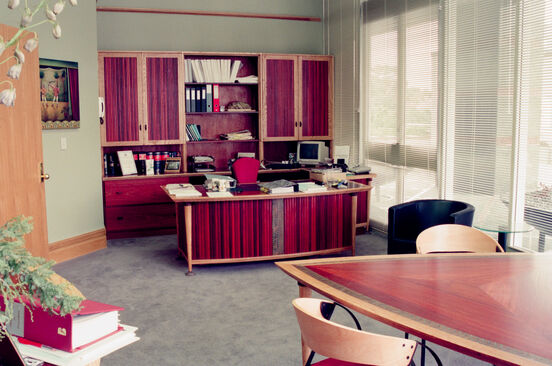
Carin Wilson, Barrister Chambers of Matthew Muir KC, Miriam Dean KC and Lindsay McKay, 1995
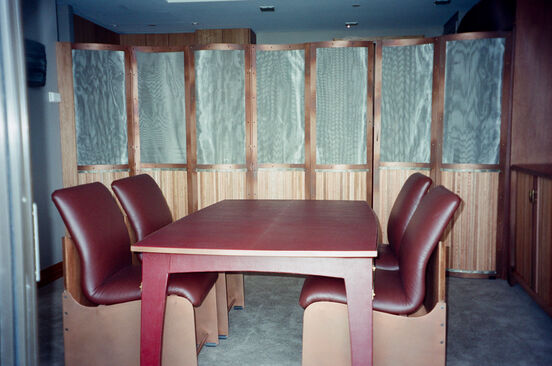
Carin Wilson, Peter Thorp Barrister Chambers, 1999
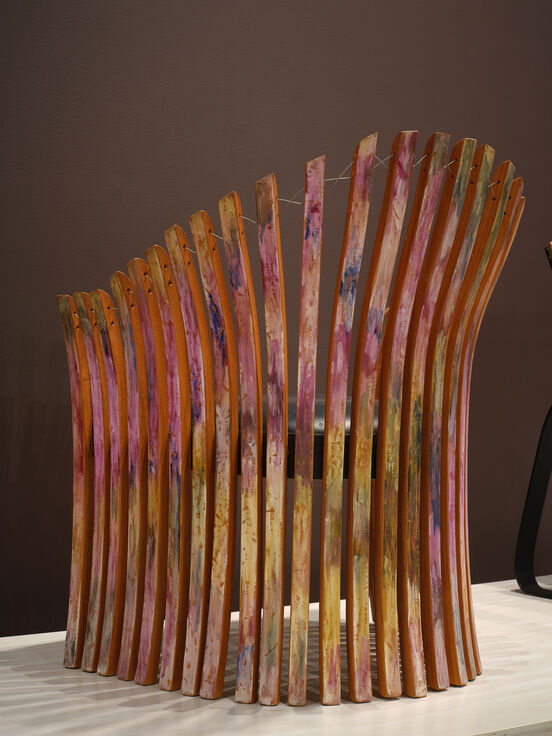
Carin Wilson, He Nehenehe prototype, 1993, pinus radiata, ebony, leather, stainless steel tracer, paint, courtesy of Edith Ryan, photograph by Sam Hartnett
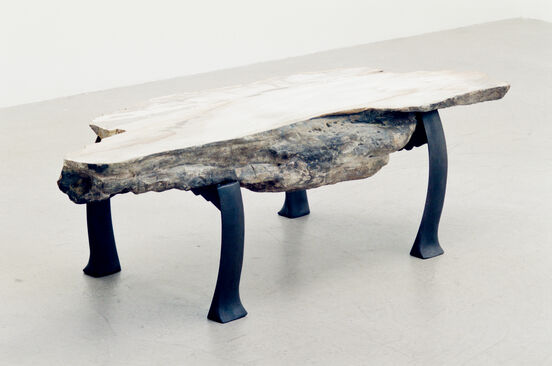
Carin Wilson, Te Hikoi i rite ki te Tuatara, 1995, bronze, petrified kauri
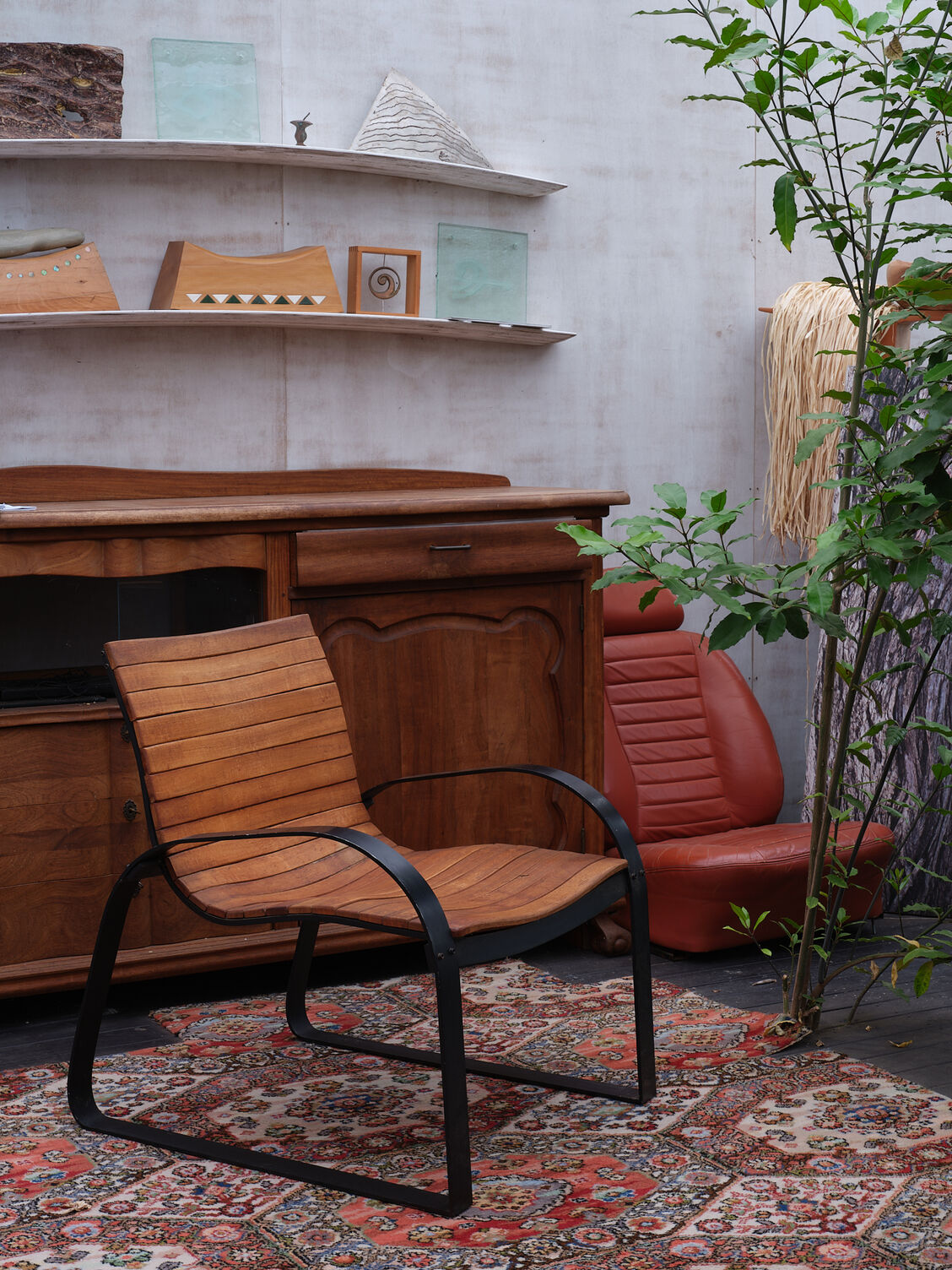
Carin Wilson and John Britten, Tribute Chair, 2002, anodised aluminium, cedar hardwood, photograph by Sam Hartnett
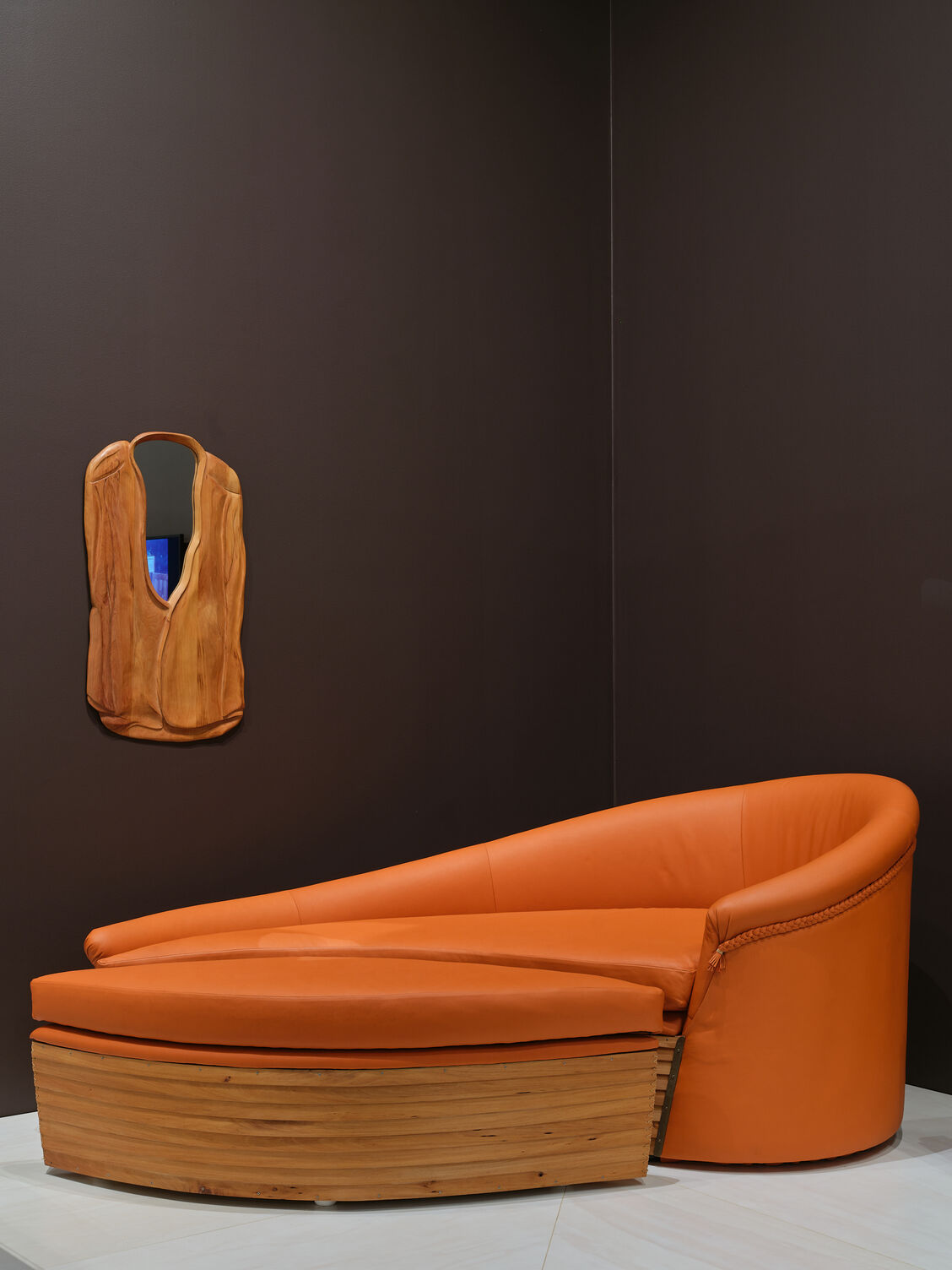
Carin Wilson, Come Sit With Me, 1991, rimu, leather, photograph by Sam Hartnett
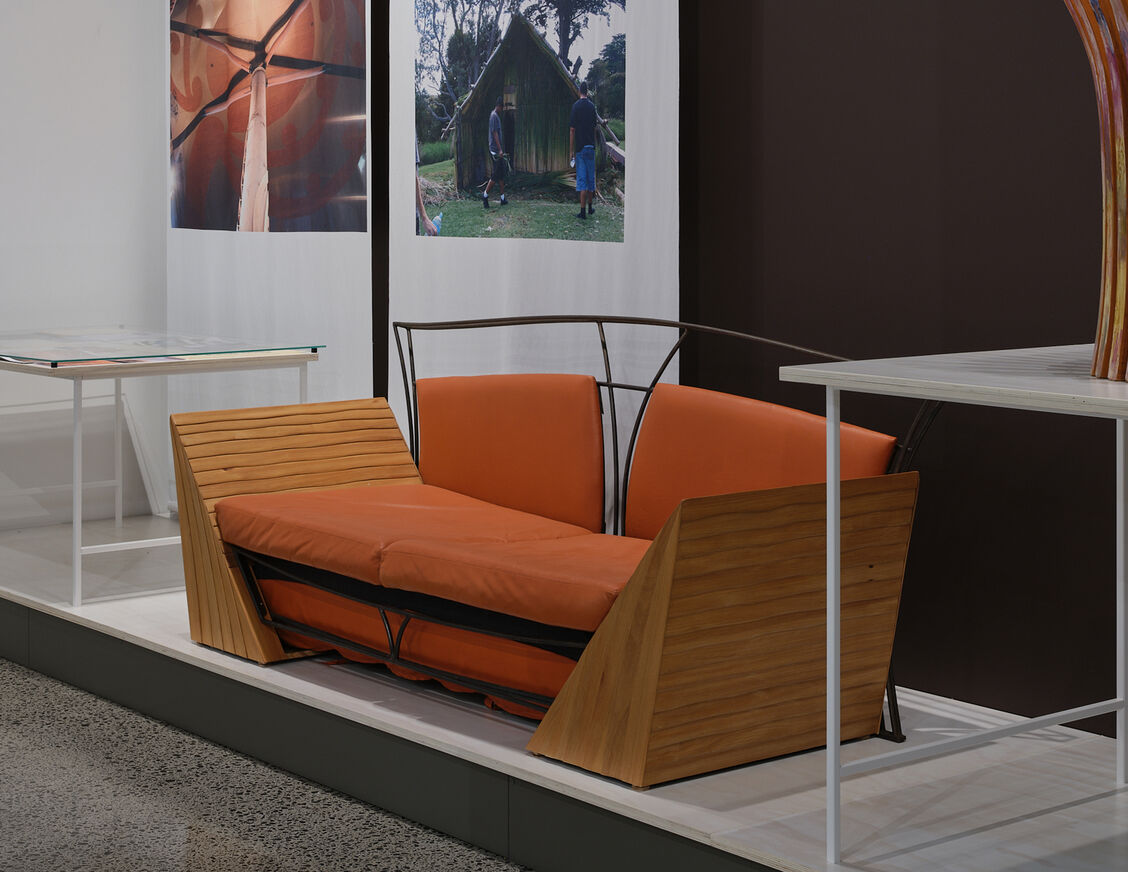
Carin Wilson, Stay the Night, 1991, steel, wool, reconstituted veneer on ply, photograph by Sam Hartnett
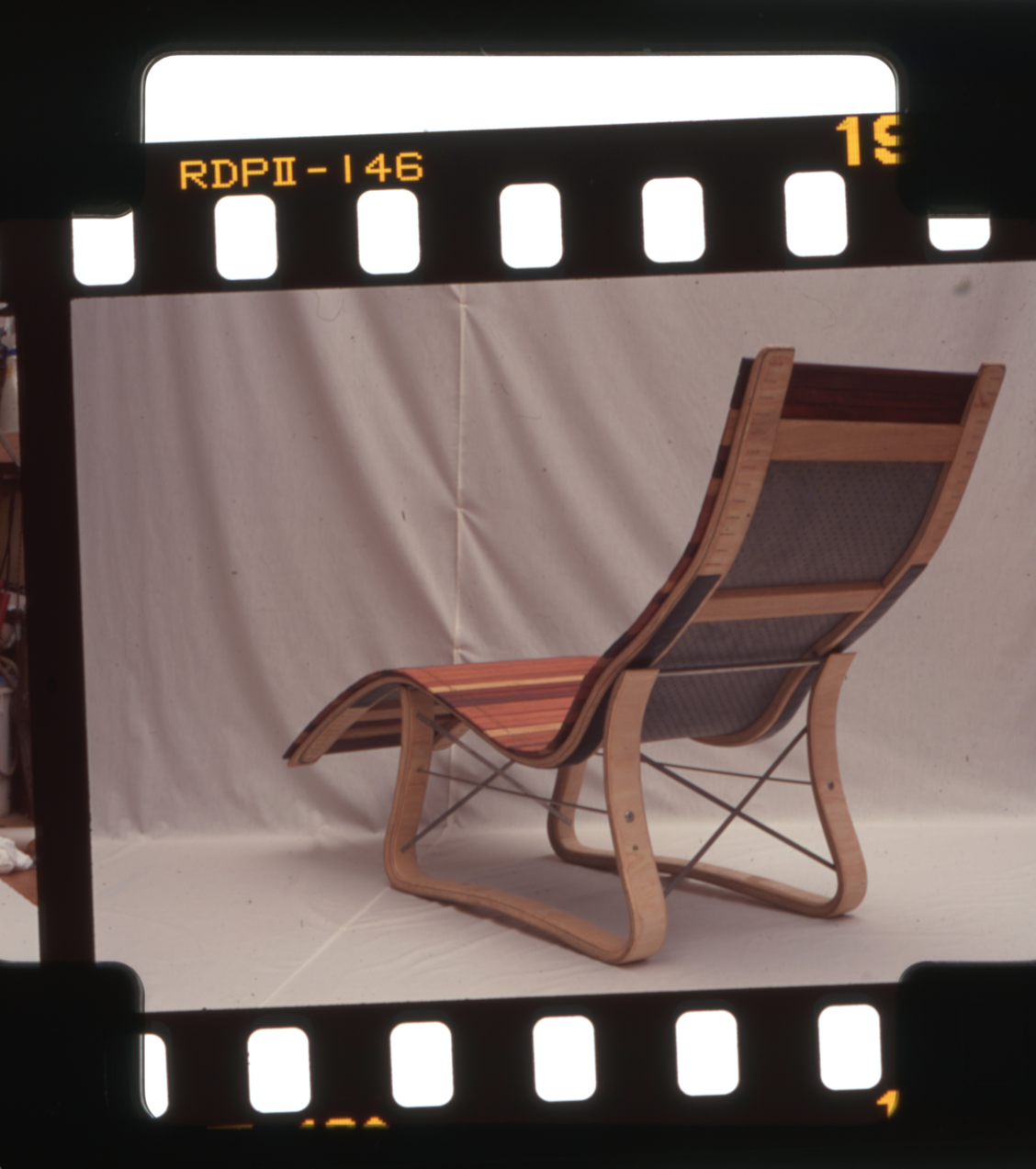
Carin Wilson, Stargazer, 1998, carbon fibre, laminated ply, jarrah, tawa, courtesy of Canterbury Museum, Ravenscar Trust Collection