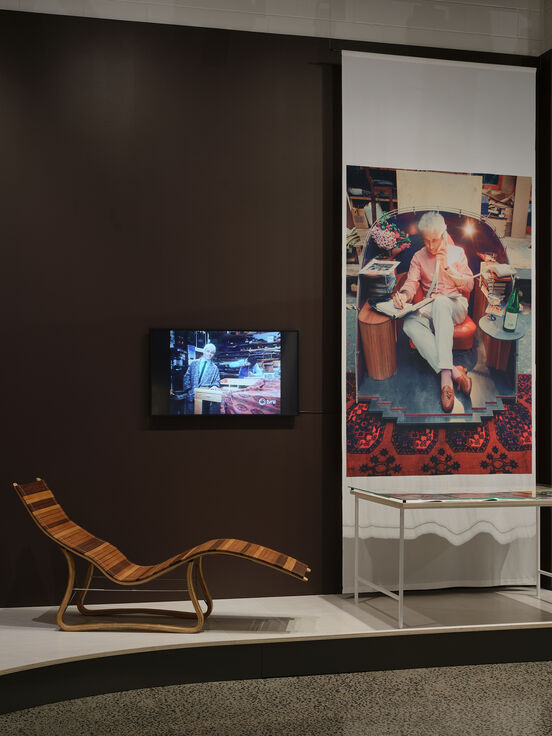
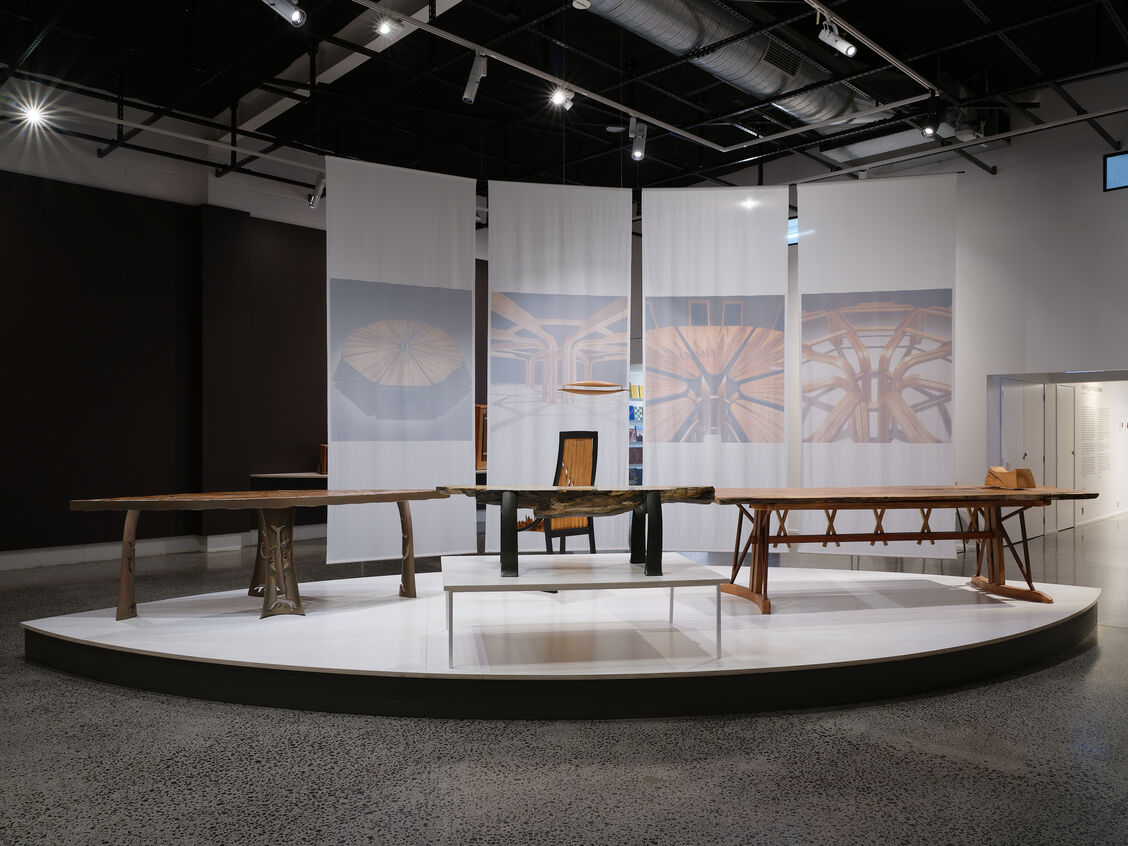
Carin Wilson’s career, spanning more than five decades, includes furniture making, sculpture, architectural design, education and advocacy. He maramara tupu aranga explores this extensive output, which has come to help define an Aotearoa design aesthetic. A sample of Wilson’s work includes design and fabrication of the iconic reading chairs in Wellington Central Library, conceptualisation of the interiors of Whakata Māori television studios, and co-facilitation of Artiture, a series of exhibitions held in the 1980s and 1990s.
Throughout his diverse oeuvre, Wilson’s making has maintained a profound relationship with rākau. In a symbiotic intertwining, the designer’s affinity for wood has driven him to experiment and push different ways to honour Aotearoa’s native timbers. Rākau is his connection to the past and consistent collaborator, described by Wilson as a nurturing presence, companion and refuge to which he always returns.
In the 1980s, frustrated with New Zealand’s unrelenting focus on Eurocentric traditions, Wilson and fellow designers sought change, redefining what design from Aotearoa looks like. Since then, Wilson has maintained a design philosophy that is grounded in the notion that what we create must be firmly tied to the place we live, the whenua and the materials found here.
A staunch defender of Māori visibility within the national design vocabulary, Wilson has been dedicated to exploring, defining and uplifting Māori design, a central part of his practice. Through teaching, advocacy, commentary and wānanga, Wilson has repopulated our places and spaces with interventions that reflect whakapapa and pūrākau (genealogy and narratives).
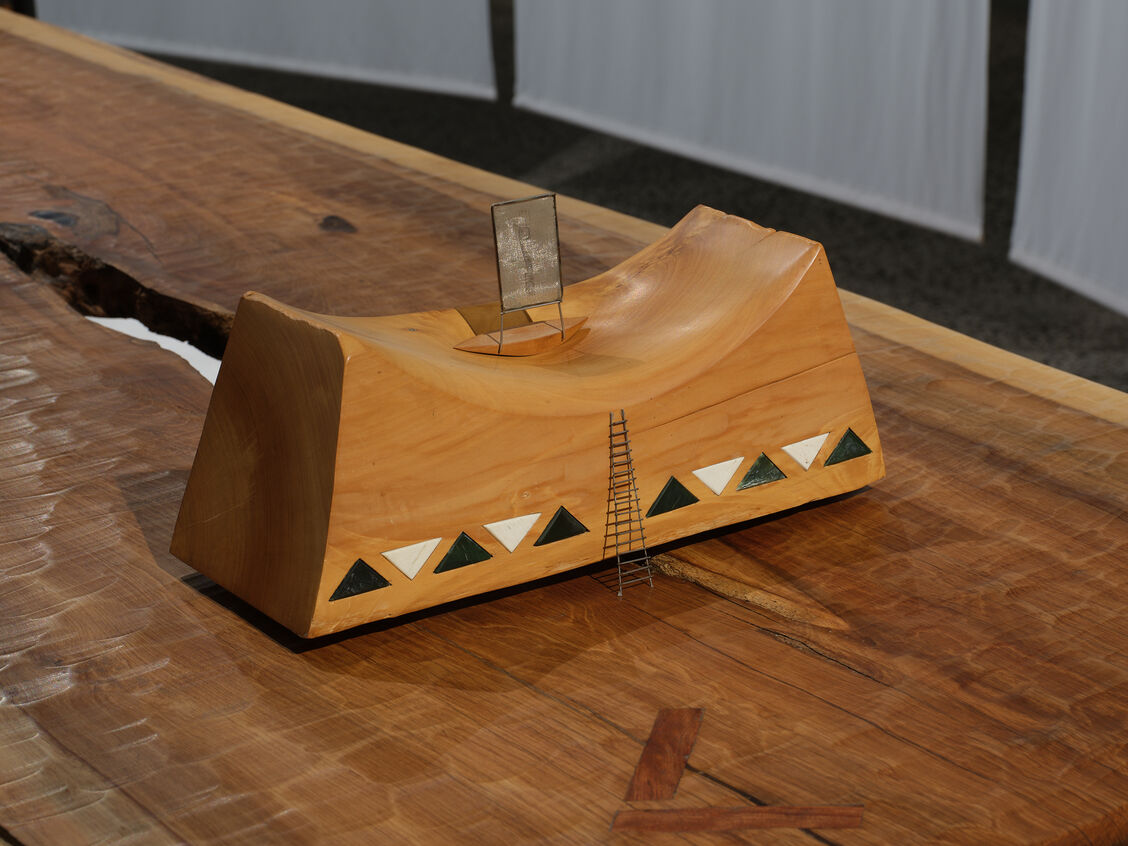
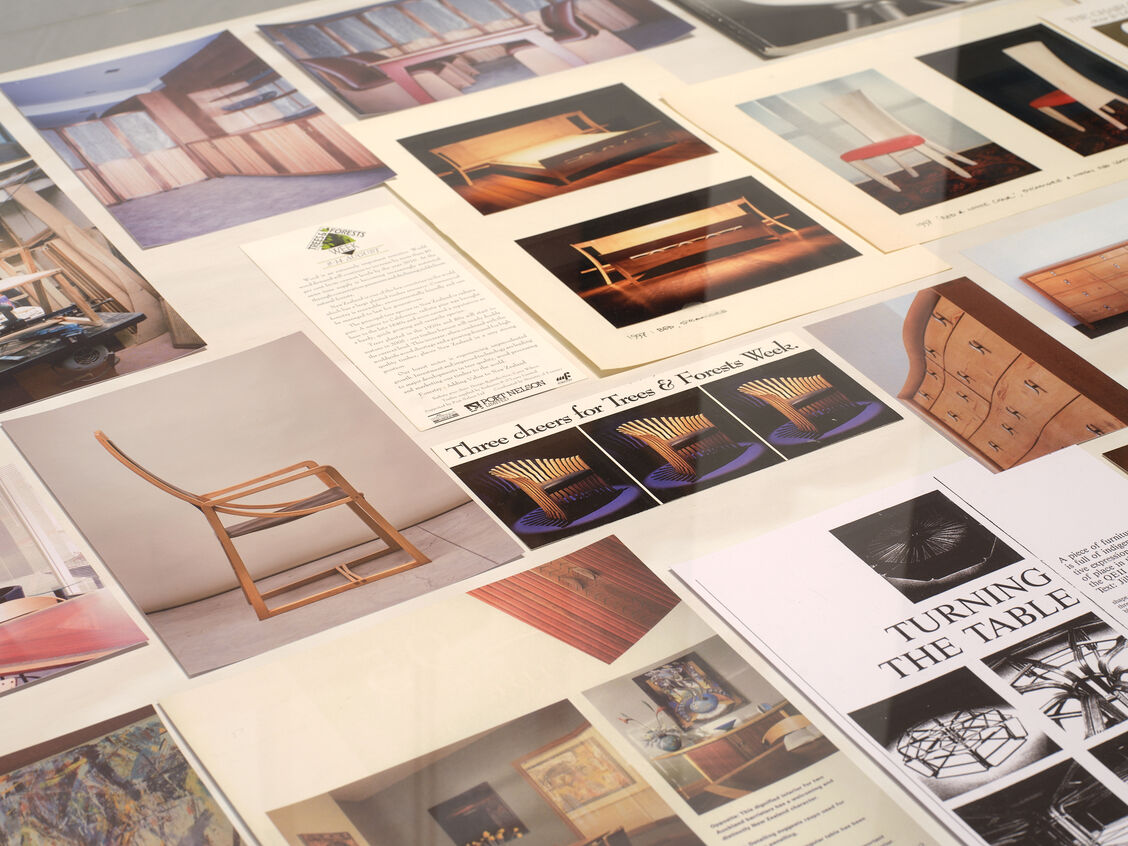
He maramara tupu aranga celebrates the legacy of Wilson’s mahi. It features remarkable pieces of furniture alongside ephemera illustrating a life spent in celebration of the joy of creativity, letting chips fly and seeing what takes form.
He maramara tupu aranga is curated by Zoe Black with exhibition design by Steven Junil Park.
—
Carin Wilson (Mātaatua, Ngāti Awa, Tūhourangi) began making furniture in Ōtautahi Christchurch in the 1970s, after leaving law school to pursue a creative career. Since then, he has become a pivotal figure in New Zealand’s creative landscape, particularly advocating for Māori participation in design and urban development.
He was a leader in the country’s craft movement in the 1970s, 80s and 90s, promoting dynamic discussion towards defining an aesthetic reflective of Aotearoa and advocating for the value of craft practice. Alongside his furniture making, Wilson has exhibited sculpture extensively, has taught at tertiary institutions and is founder and director of Studio Pasifika, a multidisciplinary design and architecture studio.
Wilson has also held a number of leadership positions across institutions, including as founding member and inaugural chair of Ngā Aho: Network of Māori Design Professionals, president of the Designers Institute (1991–93) and president of the Crafts Council of New Zealand (1982–85). His practice continues to span different disciplines and kaupapa, including the 2025 sculptural commission Ngā Poutiriao Torohū and the further development of Te Kōngahu Museum of Waitangi.
—
This project is made possible with support from Exhibition Patron The Crane Foundation, and Exhibition Supporters Matthew Muir and James Peters.
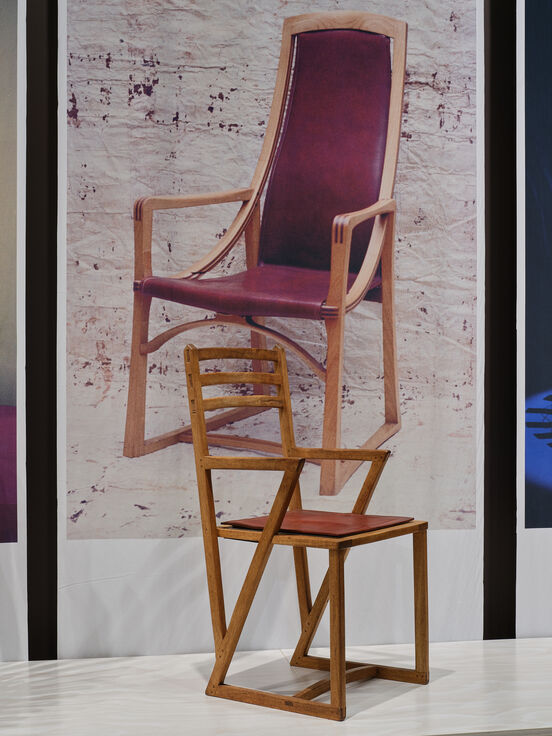
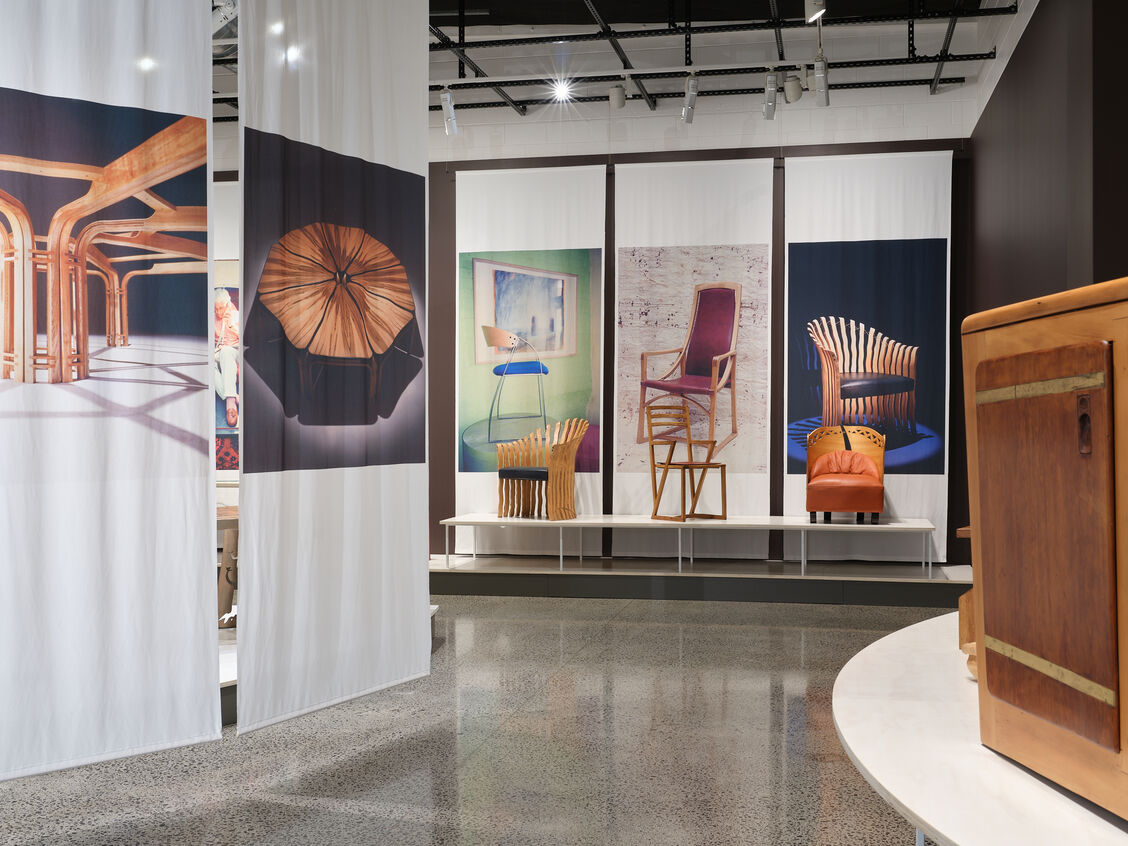
Carin Wilson, Tapatoru / Dining Chair, 1982, photographs by Sam Hartnett
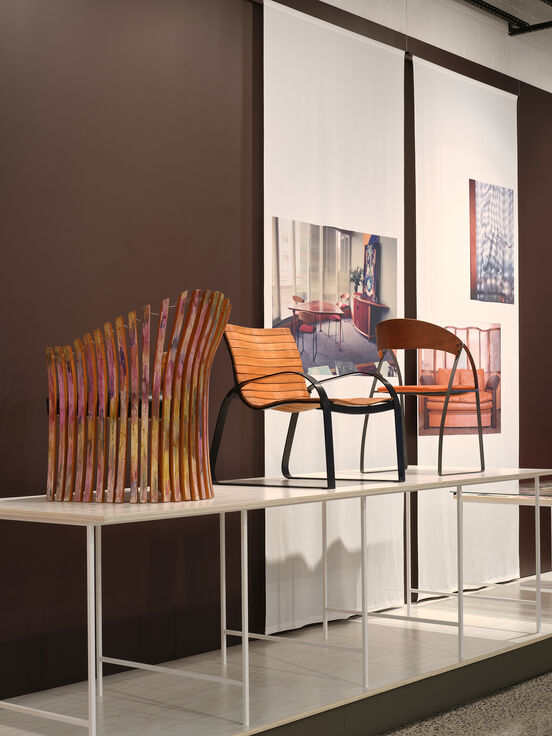
He marama tupu aranga installation view